


-

Add: HeBei ShengShi HongBang Cellulose Technology CO.,LTD.
-

Email
13180486930@163.com -

CONTACT US
+86 13180486930

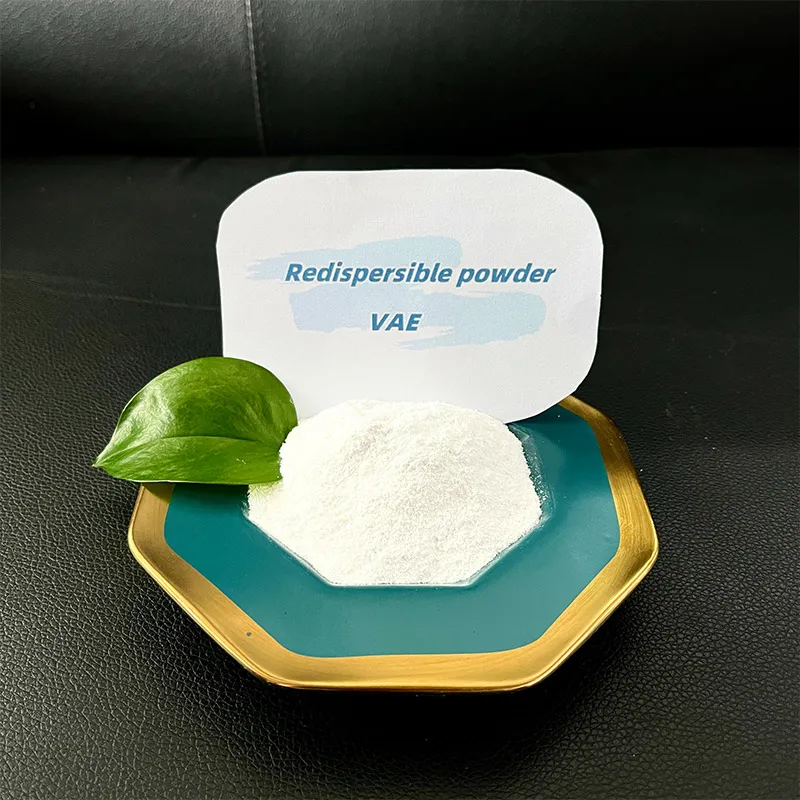


Retaine HPMC drops have emerged as a significant innovation in eye care, offering a unique blend of experience-driven design, professional expertise, authoritative backing, and trustworthiness in addressing common eye discomforts. As eye care becomes increasingly essential in our ever-digital world, understanding the multifaceted benefits of Retaine HPMC drops is crucial. Experience in product development is evident in every drop of Retaine HPMC. Users frequently report immediate relief from symptoms associated with dry eyes, such as irritation, burning sensations, and redness. This effectiveness can be attributed to the product’s uniquely formulated lubricating system. Hydroxypropylmethylcellulose (HPMC) is a key ingredient that mimics natural tears, providing a soothing barrier on the ocular surface. Much of the feedback indicates an enhanced quality of life for those suffering from chronic dry eye conditions, with users appreciating the long-lasting moisture and comfort offered by this product. The expertise behind Retaine HPMC drops cannot be overstated. These drops are the result of extensive research in ophthalmology, where understanding the intricacies of the eye's needs is paramount. Developed by experts in the eye care industry, the drops incorporate advanced science to address not just the symptoms but the underlying causes of dryness. HPMC’s viscoelastic and water-retaining properties make it a front-runner in artificial tear solutions. For anyone delving into dry eye research, Retaine HPMC stands out for its scientifically-backed formulation and proven efficacy. Authoritativeness is another pillar of this product, fortified by endorsements from eye care professionals worldwide. Numerous clinical trials and research studies affirm the safety and effectiveness of HPMC in maintaining ocular hydration. Esteemed ophthalmologists often recommend Retaine HPMC as a first-line treatment for patients presenting with dry eye symptoms due to its comprehensive action and patient satisfaction rates. Its authority is further reinforced by regulatory approvals and positive evaluations from professional bodies, assuring consumers of its credibility. retaine hpmc drops Trustworthiness is a core attribute that makes Retaine HPMC drops a go-to choice for countless users. Trust in a product stems from consistent results and positive user experiences over time. Retaine HPMC delivers exactly that . Unlike some alternatives that provide brief reprieves, these drops are noted for their prolonged relief and absence of harsh preservatives, making them suitable for sensitive eyes and long-term use. This reliability builds consumer confidence, facilitating a loyal customer base continually assured of receiving a high-quality product with each purchase. Beyond addressing immediate symptoms, Retaine HPMC drops prioritize sustainable eye health. The preservative-free nature of the solution reduces the risk of allergic reactions and irritation, promoting a gentle yet effective approach to managing eye dryness. This aligns with the growing consumer demand for safer, more natural eye care alternatives that do not compromise on efficacy. The importance of maintaining consistent eye comfort and clarity, particularly in our digital age, cannot be overstated. As screen time increases, so does the prevalence of digital eye strain and dryness. Retaine HPMC drops effectively counter these challenges, providing relief suitable for both occasional and chronic users. Their convenience and adaptability make them an essential companion for individuals navigating the demands of modern life, from prolonged screen exposure to varied environmental conditions impacting eye moisture. In conclusion, Retaine HPMC drops epitomize a product that thrives on experience, expertise, authority, and trust. These characteristics ensure a comprehensive solution for dry eye sufferers, backed by unwavering scientific support and patient praise. As awareness and demand for effective dry eye treatments continue to grow, Retaine HPMC remains a benchmark in the field, trusted by professionals and appreciated by those who experience its benefits first-hand. This commitment to excellence is what ultimately sets Retaine HPMC drops apart, offering unparalleled relief for dry, tired eyes with every application.
- 40000tons

Production
- 20+years

Experience
- 5000+㎡

Acreage

-
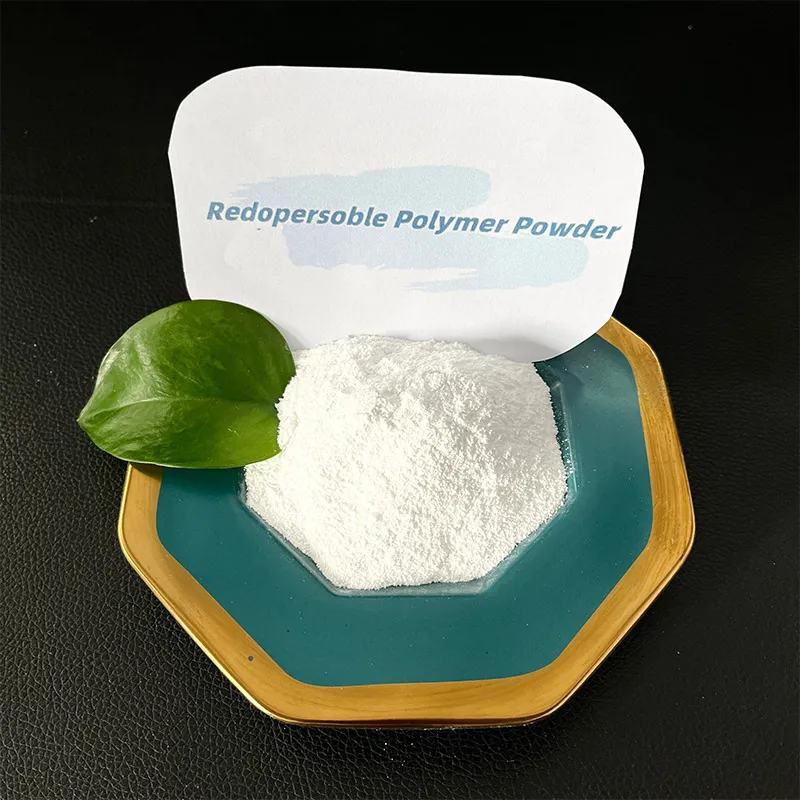
Hydroxypropyl starch phosphate is an increasingly popular ingredient in skincare products , and for good reason. This innovative compound combines natural starch with phosphate to enhance its functionality and benefit a myriad of skin types. Its rise in popularity is not just a fad; it's rooted in solid science and consumer experience. Derived primarily from natural sources like corn or potatoes, hydroxypropyl starch phosphate offers several advantages that align seamlessly with the needs of both consumers and formulators. Fundamentally, it serves as an exceptional texture enhancer in creams, lotions, and serums. Unlike traditional thickeners, it provides a silky-smooth finish that is often sought after in high-end skincare products. This means when applied, products feel luxurious and pampering, creating an indulgent experience that consumers love. In addition to texture enhancement, hydroxypropyl starch phosphate plays a crucial role in stabilizing emulsions, ensuring that oil and water components in skincare formulations do not separate over time. This stability is particularly important for multi-ingredient complex formulations, allowing active ingredients to remain evenly distributed, thus maximizing efficacy. Stability also translates to an extended shelf life, which is a significant consideration for both consumers and retail outlets. From a dermatological perspective, hydroxypropyl starch phosphate is non-irritating and safe for sensitive skin. Unlike some chemical thickeners and stabilizers, this starch derivative does not clog pores, making it an excellent choice for formulations targeted at acne-prone or reactive skin. Its ability to absorb excess oil without stripping the skin of essential moisture is another notable feature, making it suitable for oily skin types while maintaining a balance that is gentle enough for drier skin. Expertise in skincare formulation reveals that hydroxypropyl starch phosphate also aids in enhancing the delivery of active ingredients. Due to its molecular structure, it can help convey moisture deeper into the skin layers, optimizing the hydration properties of a product. This translates to improved performance of active ingredients, whether they are anti-aging, brightening, or soothing components. hydroxypropyl starch phosphate in skin care In the realm of experience, numerous skincare enthusiasts have praised products containing hydroxypropyl starch phosphate for their lightweight feel and non-greasy finish. These products tend to absorb quickly into the skin, leaving behind a velvety finish that preps the skin beautifully for makeup application or simply for a bare-skin glow. The real-life testimonials stand as a testament to the compound’s capabilities, further increasing its credibility among users who prioritize both efficacy and experience in their skincare regime. Authoritative research backs the safety and efficacy of hydroxypropyl starch phosphate, with numerous studies confirming its hypoallergenic properties and performance in enhancing skin feel and formulation stability. Regulatory bodies have approved its use globally, a mark of trust that allows consumers and formulators to incorporate this ingredient without reservation. The endorsement by dermatologists and skincare professionals further solidifies its standing in the industry, adding a layer of trustworthiness to its growing reputation. For a more sustainable approach to skincare, many conscious consumers will appreciate that hydroxypropyl starch phosphate is biodegradable. Derived from renewable resources, it aligns with the increasing demand for environmentally friendly beauty products. As the beauty industry progresses towards more sustainable practices, ingredients like hydroxypropyl starch phosphate not only meet the crucial functionality required by modern skincare but also support a sustainable future. Consumers keen on elevating their skincare routine should look for this innovative ingredient in their products. Brands that incorporate hydroxypropyl starch phosphate often showcase transparency and a commitment to quality, understanding the complex needs of today’s diverse skincare audience. As the understanding of this ingredient continues to evolve, more skincare products are expected to leverage its multifaceted benefits, making it a staple in high-performance skincare formulations. In conclusion, hydroxypropyl starch phosphate is more than just a functional ingredient; it is a bridge between efficacy and indulgence, expertly tailored for modern skincare needs. From improving product stability to enhancing the user experience, it represents a sophisticated advancement in the formulation of skincare products. With an impressive balance of credibility and innovation, this ingredient is set to remain an influential component in skincare regimens worldwide.
-
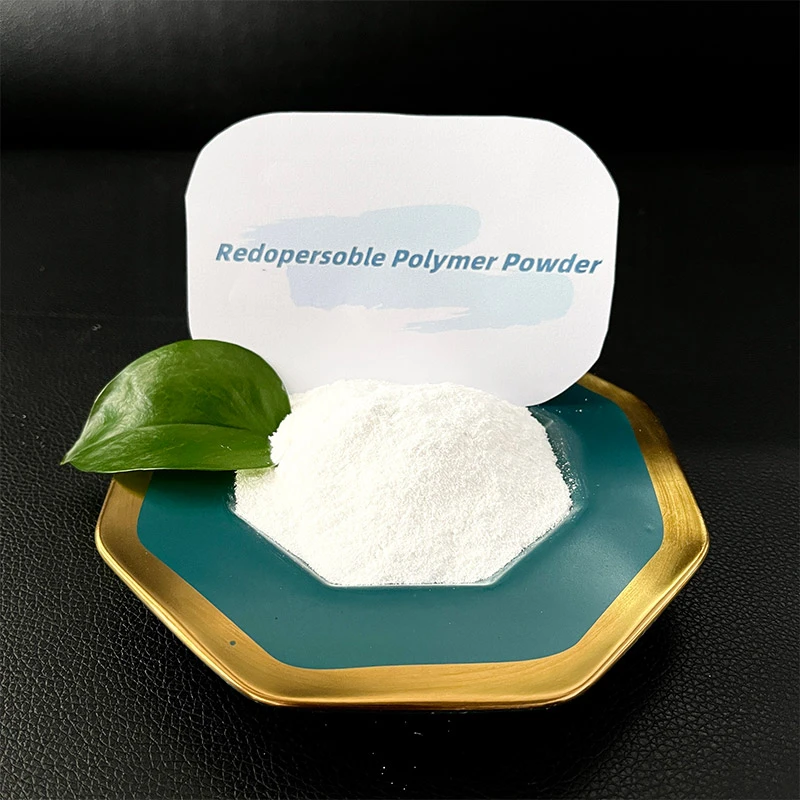
The rubber powder production line is a revolutionary method for recycling used tires and rubber materials. Through this advanced system, rubber waste is transformed into fine powder, providing a sustainable solution for various industries. The process involves several stages, including shredding, grinding, and sieving, resulting in powder rubber of various sizes and grades. This rubber powder can then be used in a wide range of applications, from road construction to consumer products. The rubber powder production line plays a crucial role in reducing environmental impact by repurposing rubber waste that would otherwise end up in landfills. By recycling tires into powder rubber , companies help conserve natural resources and reduce the carbon footprint associated with the disposal and production of new materials. This not only supports eco-friendly initiatives but also provides a valuable resource for businesses across many sectors. Additionally, the growing awareness of sustainability has led to an increase in demand for recycled rubber products, making the rubber powder production line a vital tool in the circular economy. The equipment used in this process is constantly evolving to meet the demand for higher-quality, finer powder that can be applied to more industries. The Importance of Crumb Rubber Powder in Various Industries Crumb rubber powder has become an essential material in various industries, thanks to its versatility and eco-friendly nature. One of its primary applications is in the creation of rubberized asphalt for road construction. The incorporation of crumb rubber powder into asphalt helps improve the durability and resistance of road surfaces, ensuring they can withstand harsh weather conditions and heavy traffic. This innovation contributes to longer-lasting roads while reducing the frequency of maintenance and repairs. The use of crumb rubber powder is also widespread in the production of sports and playground surfaces. As an infill material in artificial turf, the rubber powder provides excellent cushioning and shock absorption, ensuring that fields and playgrounds are both safe and comfortable for users. This application is particularly beneficial in reducing injuries in sports facilities and providing a safe environment for children. Moreover, crumb rubber powder is incorporated into various consumer goods, such as mats, tiles, and flooring materials. These products benefit from the durability and flexibility of rubber, which makes them suitable for high-traffic areas or environments that require shock resistance. The ability to use recycled rubber in these products significantly reduces the need for virgin rubber, further supporting sustainability efforts. How the Price of Crumb Rubber Powder is Determined The crumb rubber powder price is influenced by several factors, including raw material costs, production processes, and market dynamics. One of the major determinants of price is the availability of used tires, which serve as the primary input for crumb rubber powder production. When there is an abundance of discarded tires, the price of the raw material may decrease, leading to lower costs for crumb rubber powder production. The complexity of the manufacturing process is another factor that impacts the crumb rubber powder price . More advanced production methods that result in higher-quality rubber powder, with finer particle sizes, may increase production costs. Additionally, factors like labor costs, equipment maintenance, and energy consumption can all contribute to variations in the price of the final product. Market demand plays a significant role in determining the price of crumb rubber powder . As industries recognize the benefits of using recycled materials and the demand for eco-friendly products rises, the price of crumb rubber powder may increase. Conversely, if demand decreases or if cheaper alternatives emerge, the price of crumb rubber powder may experience downward pressure. It’s important for manufacturers and buyers to keep an eye on market trends to make informed decisions regarding pricing. How Tyre Rubber Powder Benefits Various Applications Tyre rubber powder is widely used across various sectors due to its unique properties, including flexibility, durability, and resistance to wear. One of the key uses of tyre rubber powder is in the automotive industry, where it is incorporated into the production of car parts like seals, gaskets, and bushings. The addition of rubber powder to these components helps improve their performance by enhancing their elasticity and resistance to friction and wear. In the construction industry, tyre rubber powder is often mixed with concrete to improve the material’s flexibility and resilience. This mixture, often referred to as rubberized concrete, is highly durable and can withstand harsh environmental conditions. It also reduces the likelihood of cracking, making it ideal for use in pavements, roadways, and foundations. Additionally, tyre rubber powder helps improve the overall sustainability of construction projects by utilizing recycled rubber, which reduces the need for new, non-renewable raw materials. Another significant application of tyre rubber powder is in the production of playground surfaces and sports fields. The powder is used as infill material in artificial grass, providing a cushioned and shock-absorbent surface that reduces the risk of injuries. This is especially important for fields and playgrounds that are used by children or athletes. The use of tyre rubber powder in these areas not only enhances safety but also contributes to a sustainable environment by reducing the reliance on virgin materials. Moreover, tyre rubber powder is a popular material in the manufacturing of various consumer products, such as footwear, mats, and even furniture. Its durability and resistance to moisture and wear make it an ideal material for high-performance products that require longevity and flexibility. By incorporating recycled materials like tyre rubber powder , manufacturers can create eco-friendly products while also reducing costs. Eco-Friendly Benefits of Using Rubber Powder in Manufacturing The use of rubber powder in manufacturing offers numerous environmental benefits, primarily due to its role in recycling and waste reduction. By transforming discarded tires and rubber products into rubber powder , industries can help divert waste from landfills, thereby contributing to a more sustainable and eco-conscious manufacturing process. This helps reduce the environmental burden associated with rubber waste and promotes the use of recycled materials in the production of new goods. Another key advantage of using rubber powder is that it reduces the need for virgin raw materials, which are often non-renewable. By substituting virgin rubber with recycled rubber powder , manufacturers can decrease the demand for natural resources such as rubber trees or synthetic materials derived from petroleum. This contributes to the conservation of these resources, making the entire manufacturing process more sustainable and environmentally friendly. In addition to reducing waste and conserving natural resources, the use of rubber powder in manufacturing also helps lower production costs. Since rubber powder is generally more affordable than virgin rubber, businesses can reduce their expenses without sacrificing product quality. The cost savings achieved by using recycled materials can be passed on to consumers, making eco-friendly products more accessible and affordable. The use of rubber powder in various applications, from construction to consumer goods, is a key factor in achieving the goals of a circular economy. By recycling rubber and incorporating it into new products, companies can reduce their carbon footprint, promote sustainability, and help protect the environment. rubber powder FAQs What is the rubber powder production line? The rubber powder production line is a system designed to recycle used tires and rubber materials into fine rubber powder. This powder can be used in various applications, such as road construction, sports fields, and consumer products. What is the price of crumb rubber powder? The price of crumb rubber powder varies based on factors such as raw material availability, production costs, and market demand. It is typically more affordable than virgin rubber, offering a cost-effective solution for manufacturers. What are the applications of tyre rubber powder? Tyre rubber powder is used in a wide range of applications, including automotive parts, rubberized concrete, playground surfaces, sports fields, and consumer goods. It is valued for its durability, flexibility, and wear resistance. How does rubber powder contribute to sustainability? The use of rubber powder in manufacturing helps reduce waste by recycling used tires and rubber materials. This not only minimizes the environmental impact of rubber waste but also reduces the need for virgin raw materials, supporting a more sustainable manufacturing process. Can rubber powder be used in road construction? Yes, rubber powder is commonly used in road construction, particularly in the production of rubberized asphalt. This type of asphalt is more durable and resistant to wear, cracks, and extreme weather conditions, making it an ideal material for road surfaces.
advantages
-

200000 Viscosities
Excellent product
We can produce pure products up to 200,000 viscosities
-

40000 tons
High yield
We don’t stop production all year round, and the annual output can reach 40,000 tons
-

24 hours
Quality service
We provide 24-hours online reception service, welcome to consult at any time
———— Inquiry Form
Schedule A services

-
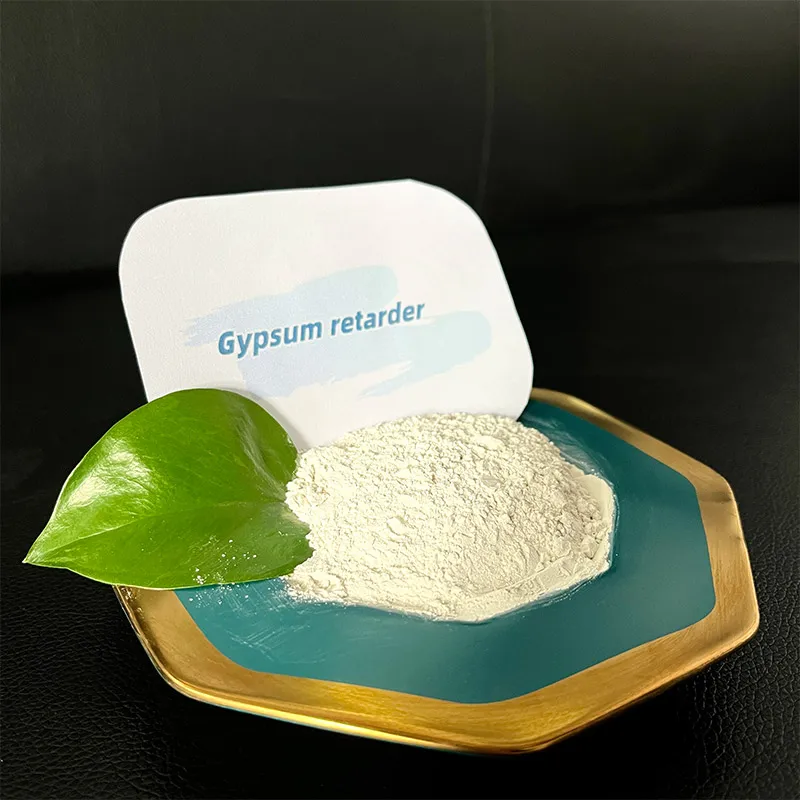
 plaster_retarder
Oct . 25, 2025
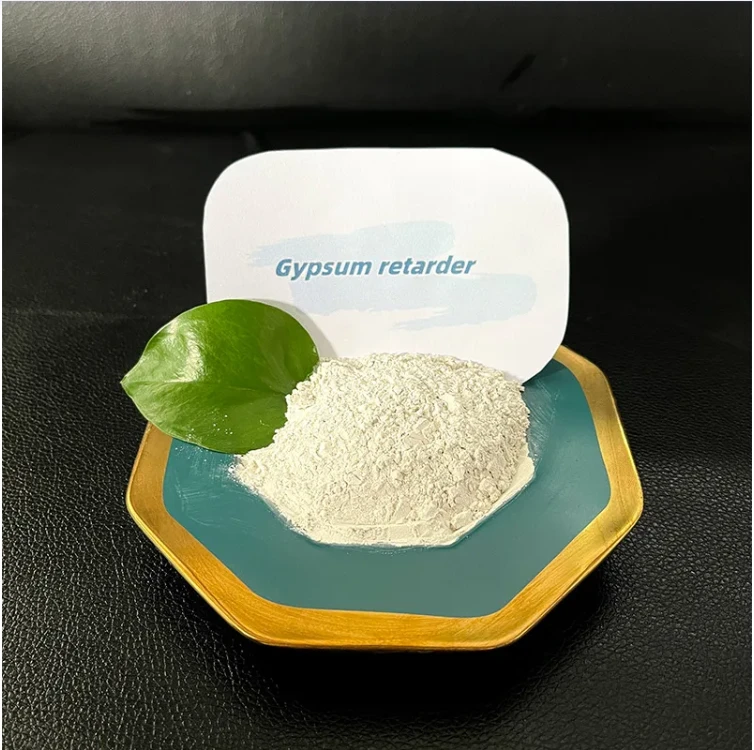
Fiberglass for Concrete Mix Enhancing Strength and Durability Concrete is one of the most widely use -
 what_are_polypropylene_fibers
Oct . 25, 2025
China, often regarded as the world's factory, boasts an enormous and diverse manufacturing sector th -
 fiber_iliyotengenezwa
Oct . 25, 2025
In the world of construction and remodeling, the use of plaster retarder is a nuanced topic that dem


